

An audience, trusted and gathered by word of mouth, had assembled in a large meeting room with blocked windows on a street in the heart of Warsaw. They had come to hear poetry. If discovered by the Gestapo police, they knew they would be killed on the spot! Lookouts were posted at strategic points.
The poet, an underground member of the Home Army (or A.K.) began. His careful reading of the vital and historic memory of the recent past.
Introduced by his code name, Mierzwa, Józef Pluskowski spoke of the shut down schools, closed universities and newspapers, and all meetings not in German. Hitler had come to Warsaw on October 5th having announced that his army should “kill without mercy, men, women, and children of the Polish race and culture” .
“Attack
Shouts Stefan Starzynski Send help Europe
To fighting Poland”
Poetry therefore was an act of defiance, to preserve a living language during a reign of terror.. Józef continued his observations reporting that
“each day the tormentor lurked,
Each day people were shot to fill hearts with fear”
His young wife Irena had already lost her brother Henryk in the daily roundup of people, taken randomly from the street as “hostages”, then executed. She had also terminated her first pregnancy by jumping off a tree – it was not a time to bear children.
Instead came the effort to preserve lives. Hidden in Józef and Irena’s extensive apartment, at 5 Elektoralna, was a Jewish family of four, the Millers, and a space where Józef/Mierzwa could write, in some safety, notes, reports, and poems in the newly forbidden language.
There was also his contact with the Ghetto. An official entrance existed near his home in the wall separating the Ghetto from the “Aryan” side. Irena, mourning her brother, had volunteered to carry arms to the desperate Ghetto fighters preparing for revolt. On one recorded occasion, she had carried some 98 hand grenades past the guards at the entrance, having practised how to walk casually with a heavy weight under her fur coat. Her younger blonde sister, Lucyna, came along as a distraction for the guards.
When the uprising of 1943 took place, Józef recorded the ultimate fate with another clandestine meeting in which his words contrasted the exceptional sunny autumn days with the protest of those fighting the tanks.
“Each step is in blood. The traces of blood of the fighting
The Ghetto! A graveyard! Grave next to grave
The ashes of the burnt! Blood in the rubble and smoke”
After every organized reading he never went home, sleeping in pre-arranged hiding places so as to ensure he wouldn’t be followed and denounced. Even then, he still had to pay off blackmailers and,, according to witnesses, he was questioned extensively and even tortured, surviving only because of his fluent knowledge of German and ambiguous answers.
His verses at this time were collected and mimeographed. Just before the uprising of 1944 they were issued under the title “From the struggle and Labour”. As important as carrying arms, Poetry was an efficient way of doing this. In five lines, as much information and feeling could be conveyed as in five paragraphs of prose, providing topics for internal debate. Resist, witness, educate were the recurrent themes. Always the threat of instant death was there to focus the mind.

He wrote that
“The enemy foams, and gasps in revenge Warsaw is a burnt desert,
Blood mixed with sand,
Glory to the soldiers”
Fighting as an officer in the great uprising of 1944, he was given the highest military awards for bravery. He was wounded three times before being captured. Concentration camp for seven weeks was followed by being classified as an official POW and deported to Germany.
His verses from the “Officers Transit Camp” in his “Saga of the Warsaw uprising” asserted that “the world will never forget, even if a century were to pass”.
In the camp at Gerolstein, writing letters was permitted as long as they could pass scrutiny. Here, writing in Polish, in verse, enabled him to confuse the censors and send vital information home:
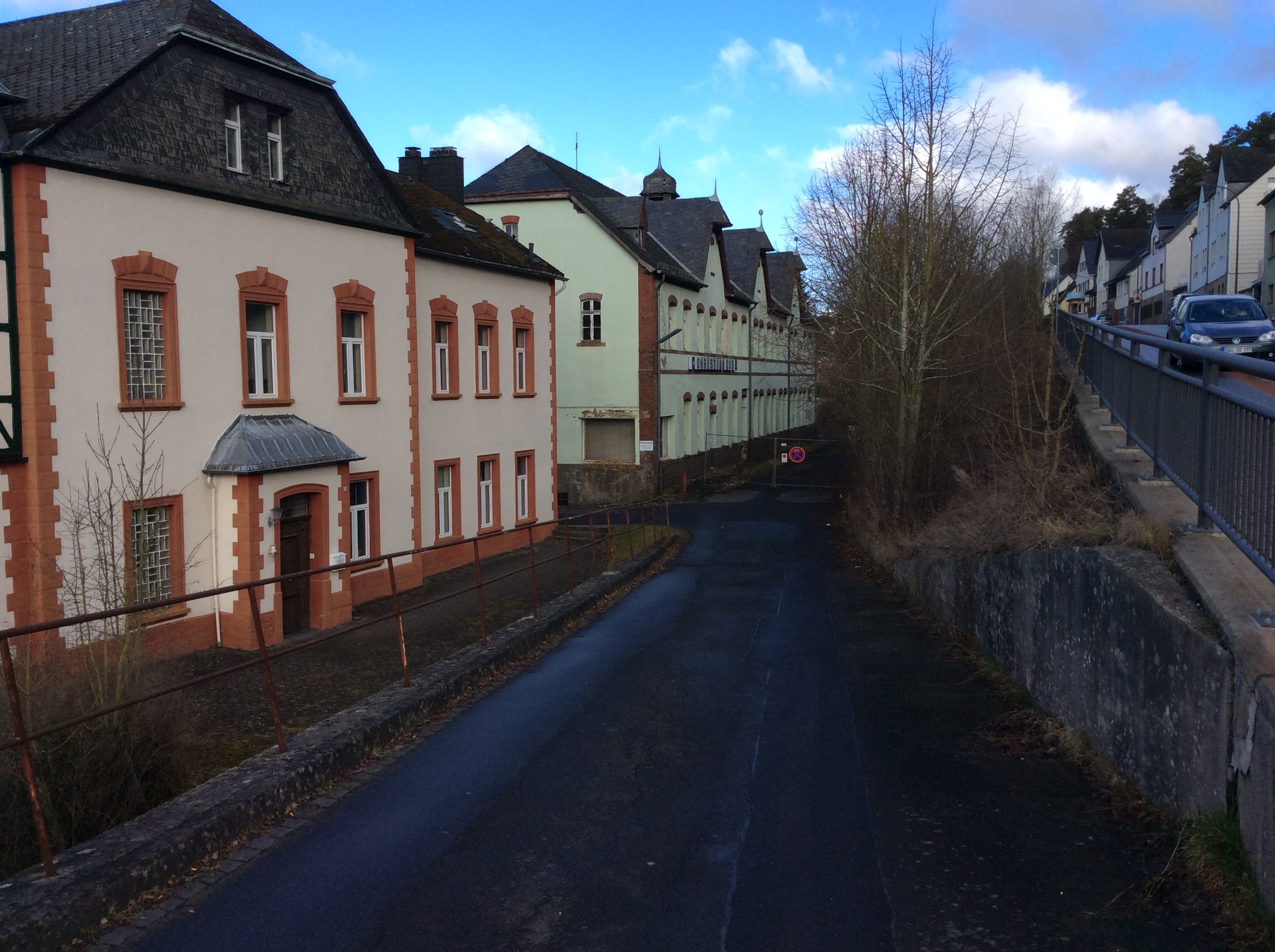
“German town, near the Belgian border
from a distant and to us
such a hostile land
write those in captivity
Once from Warsaw, the uprising, now
In the camp” – 11/11/1944
Until the liberation that followed the Battle of the Bulge, he barely understood that his wife, Irena, had given birth to a son in the middle of the German bombardments, in the cellars of 5 Elektoralna. Only after the German surrender was he able to meet him, a year later.
He died in exile in Paris, away from a Stalin controlled Poland. He was aged 54.
The last verses in the selected “96 poems” were those in the “Words of Freedom” section where he wrote that
“we are citizens of the world
No citizenship do we have
After prison, detention, confinement and gulag…
How our desire to soar free grows”.
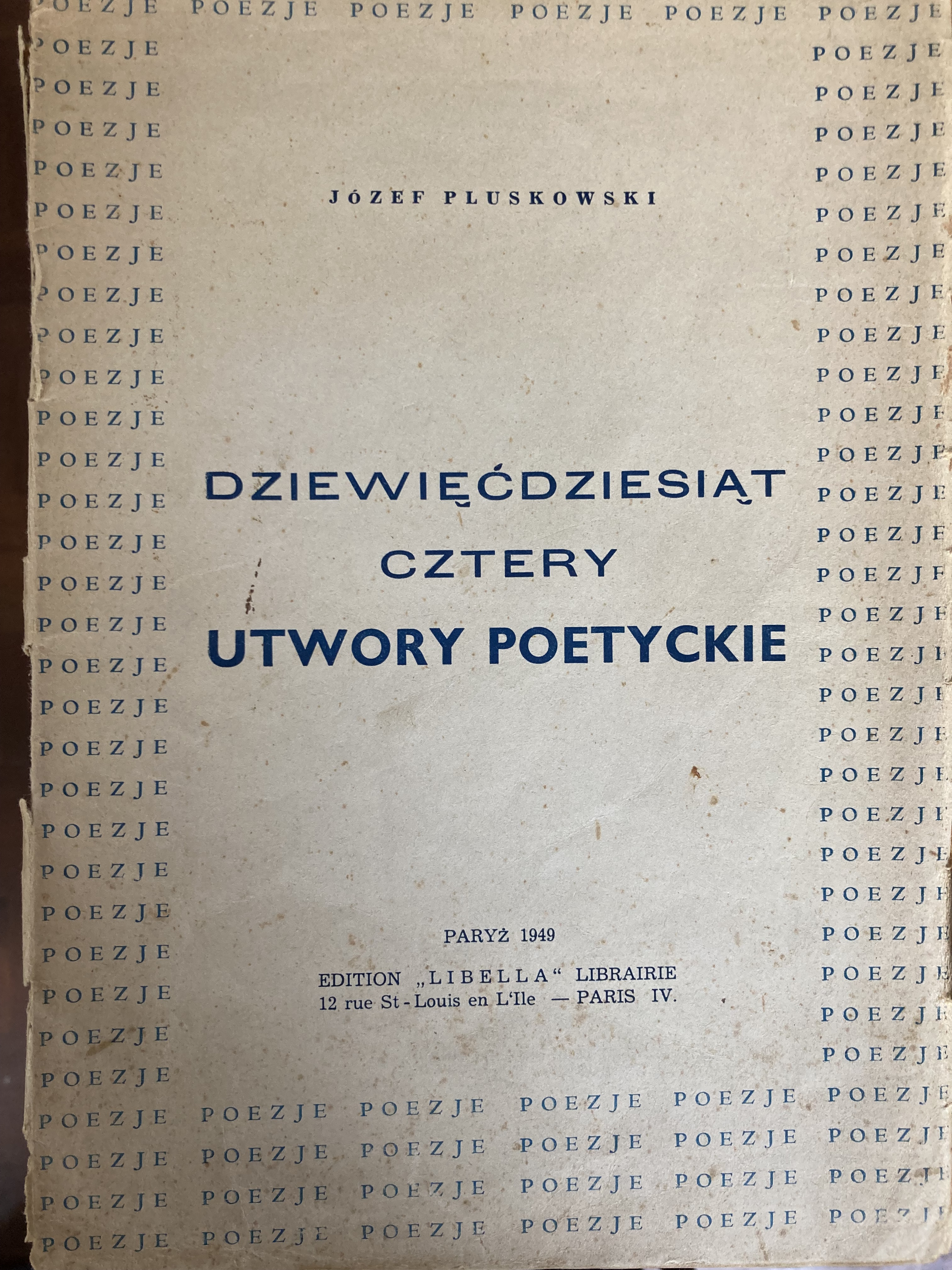
The poems are in the original Polish with an outline introduction, in English, to his life and work and available under : Józef Pluskowski, Poesie
He is also acknowledged in the Warsaw Museum of the History of Polish Jews.
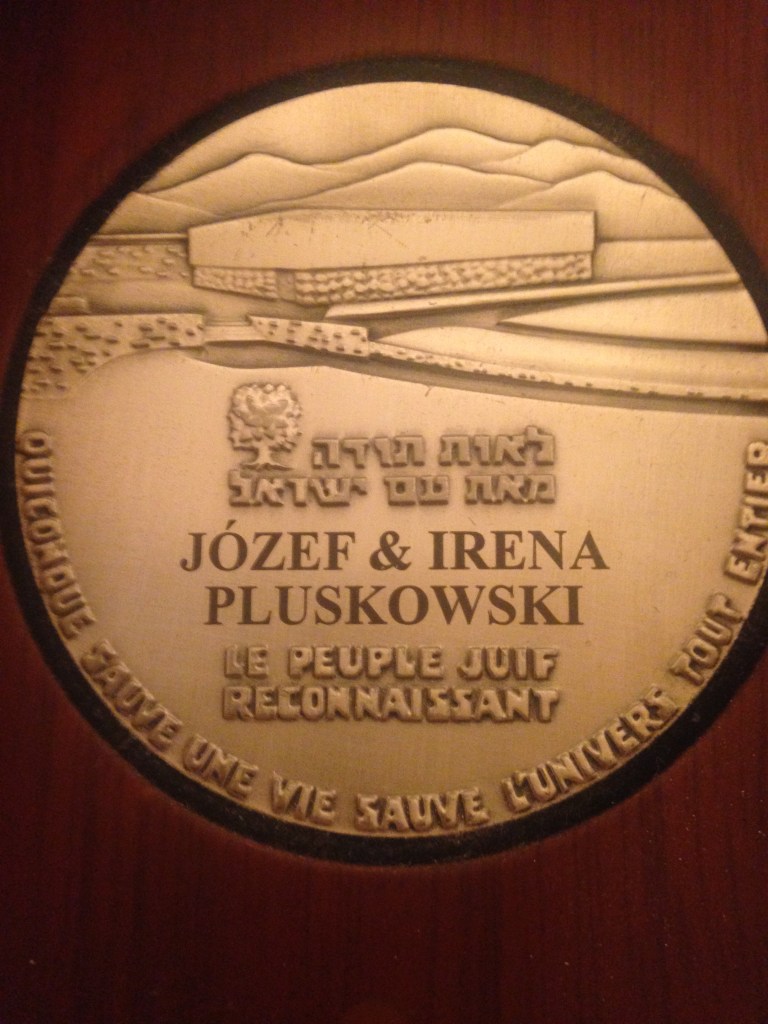
In 2016 Józef and Irena Pluskowski were honoured by the Yad Vashem Holocaust
Memorial in Jerusalem with the title Righteous Among the Nations.
Poland awarded him the highest order for valour, the Virtuti Military, during the Warsaw Uprising of 1944.


 After the war, and 20 years spent in Spandau prison, Speer moved back to Heidelberg and lived in a villa above Heidelberg Castle. His son was also an architect but the two were estranged until his death in 1981 in London. He was on his way to a BBC interview on his bestselling autobiography. To his death, Speer always denied knowledge of the Holocaust and is said to have donated a good part of his publishing income to charitable Jewish institutions.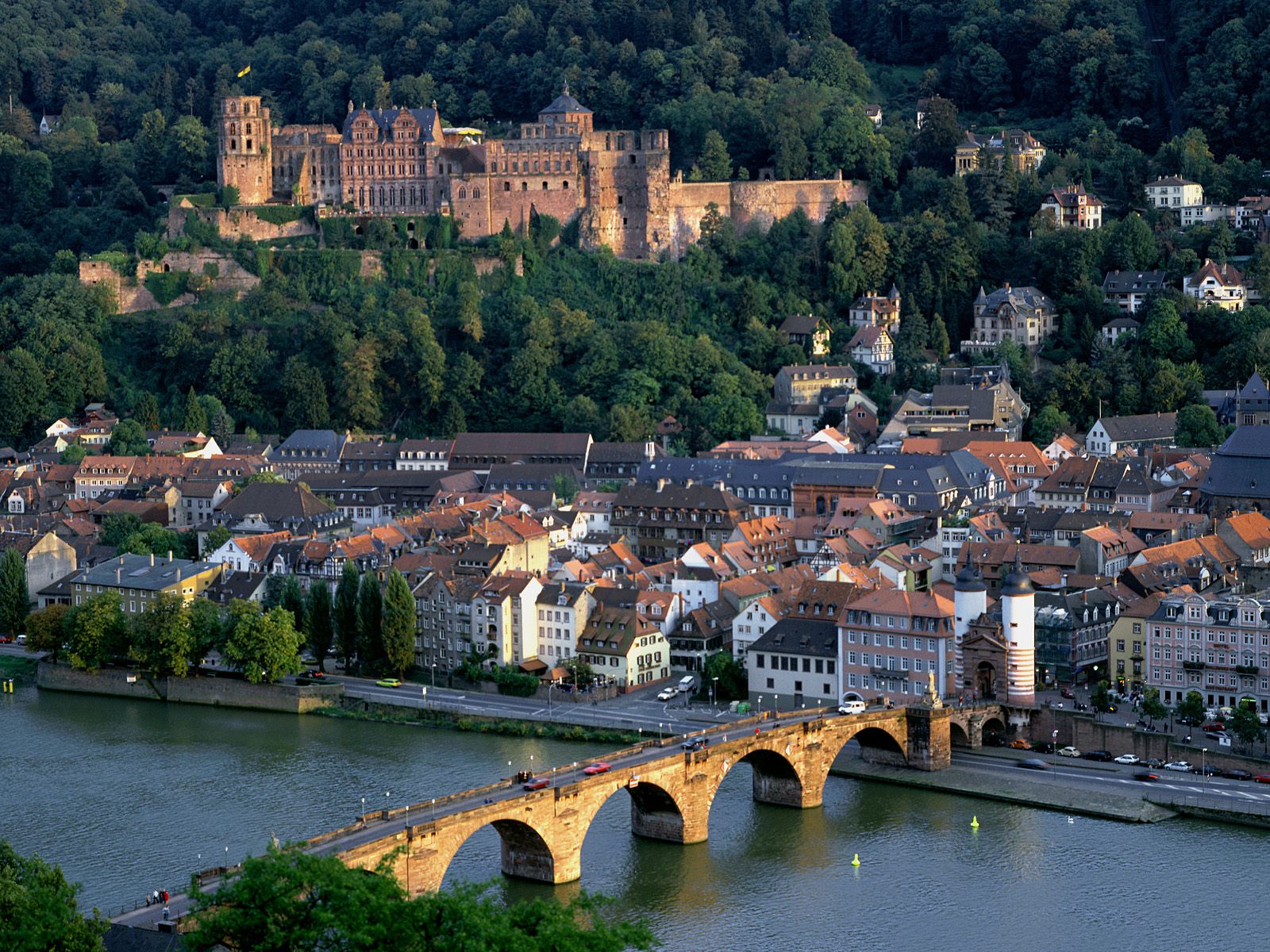
 If our culture is the shared memory of all historical experiences or, as renowned journalist Ryszard Kapuścinski claims, “we are human because we recount stories and myths”, then the huge painting (twice the size of Rembrandt’s Night Watch) covering a whole wall of the National Museum in Warsaw provides a major opening into the history of Central Europe.
 “Lady with an Ermine”, which was betrayed to the Gestapo within days of the Occupation. Seized by governor Hans Frank, it was hung in his family living quarters and is still remembered as a picturesque backdrop by his son Niklas. Even the largest Gothic altarpiece by Veit Stoss was dismantled and transported to Bavaria on Frank’s orders. Looted and confiscated art was to form the core of the proposed Führermuseum in Linz or the Herman Göring collection. Today, it is estimated that at least 100,000 items have still not been returned to their rightful owners.
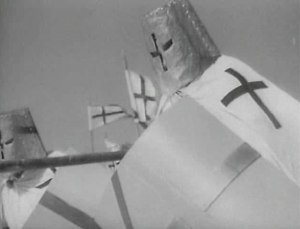 In Soviet Russia, cinema great Sergei Eisenstein directed his 1938 classic “Alexander Nevsky” (complete with a music score by Prokofiev). It portrayed an attack over frozen Lake Peipus against the Russians, by the Livonian branch of the Knights. The film ending, with the heavily armoured Teutonic horsemen drowning as the ice collapsed under their weight, was presented as symbolic retribution for spreading Christianity by the sword.


 m on trial for endangering the country. General Ludwig Beck, a Rhinelander himself, had resigned as Chief of the General Staff and was prepared to head any provisional government. Agents had even been sent to London to warn Chamberlain. They were not believed. Instead the German generals were surprised by the Prime Minister’s offer to visit Hitler in Bavaria, then completely frustrated by events at the Hotel Dreesen which gave Hitler credibility as Chamberlain, with his own peace agenda, informed Hitler that he could have the Sudetenland. In a nationwide evening radio broadcast on Sept 27th, Chamberlain gave a speech about “a quarrel in a far-away country between people of whom we know nothing”. On the 29th he flew to Munich where, with Mussolini, Daladier and Hitler, he signed the pact allowing the German army to occupy the Sudetenland.The Czechs were informed but not consulted. The generals were forced to set aside their conspiracy as Hitler was suddenly seen as a master statesman.The rest as they say, is history…
 amp David”, while the Dreesen hotel has hosted every Chancellor of the German Federal Republic.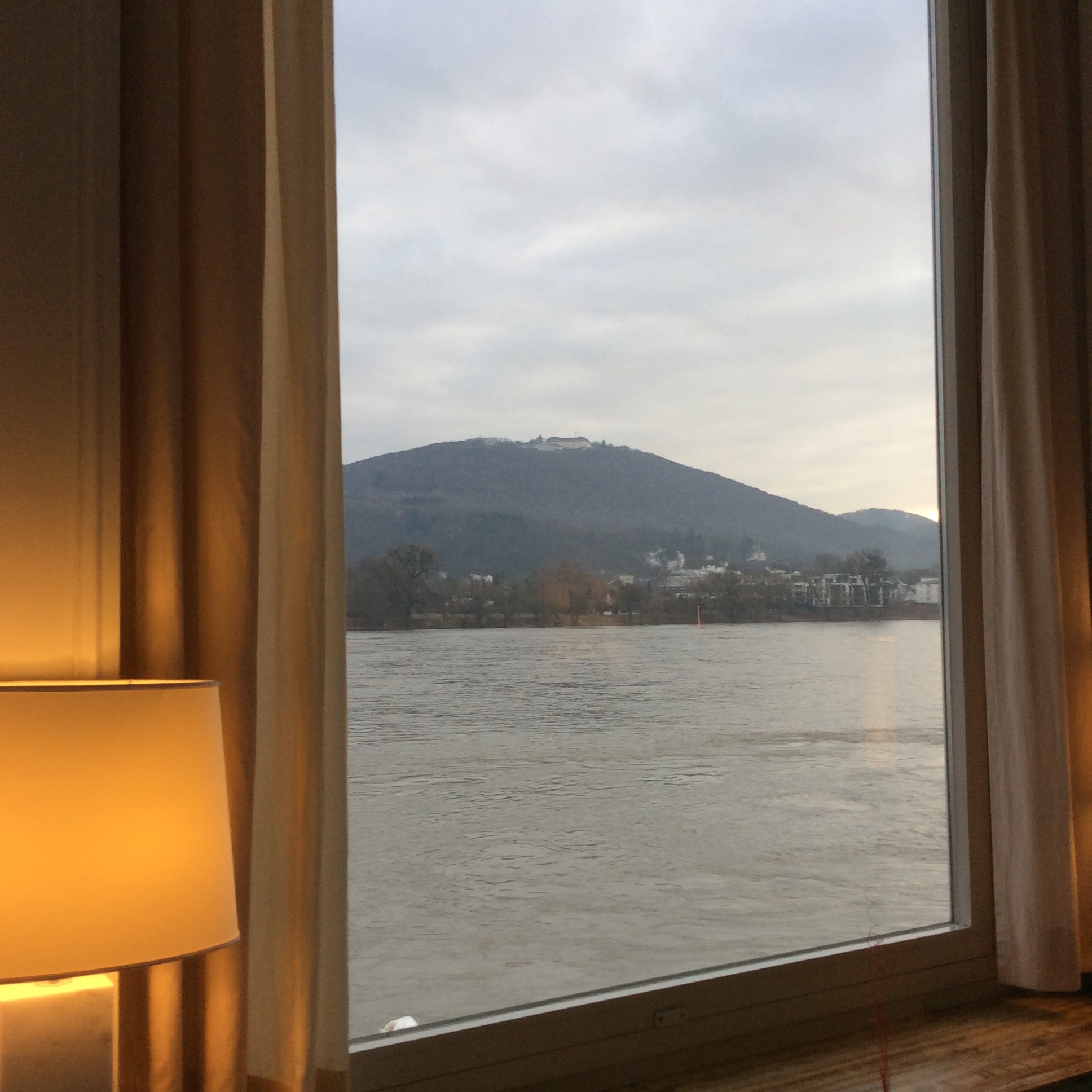

 Lonely Giraffe