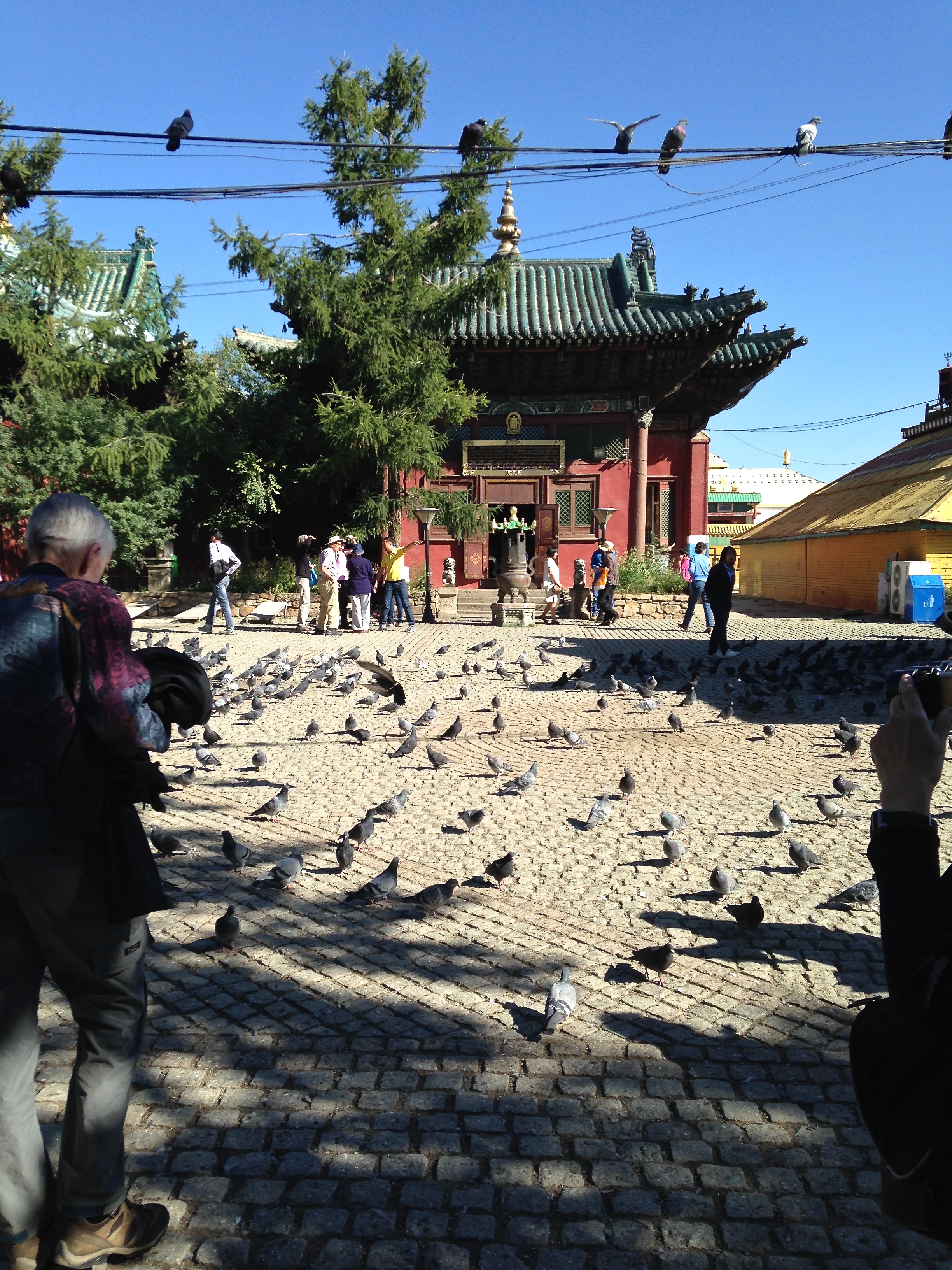
It is established that the burial of Genghis Khan was always to remain a mystery. Warriors escorting the body fired arrows at any open windows en route and killed anyone they saw on the way to the burial ground. They then killed those who built the burial tomb, finally committing suicide themselves.
 Stories of the great treasure, said to be buried with him, have always circulated among Mongol tribes.The site of his former palace is located about 150 miles from today’s capital, Ulaan Bataar. Despite rumours and many searches (even, most recently, by satellite), nothing has ever been found. In the city itself, the main city square is dominated by the seated statue of Chingghis (Genghis) Khan on the approach to the National Museum.
In the museum, maps show ancient Mongolia as a land between Siberia and the Great Wall of China (while a Chinese sage is quoted as having written of a time when “Mongolians were compared to wolves and the Chinese people to sheep”). Traditionally a nomadic people, they were accustomed to live in relative isolation from each other. Once guided by Shamanism then by Buddhism, they were ruled from the legendary capital of Karakorum, the center of power moved later by Kublai Khan to Shengdu, an event imagined by poet Samuel Taylor Coleridge in his memorable verse
“In Xanadu did Kubla Khan
A stately pleasure-dome decree:
Where Alph, the sacred river, ran
Through caverns measureless to man
Down to a sunless sea….”
In fact, our first glimpse of “pleasure-domes”, from the Golden Eagle, was a traditional Ger-tent, a circular latticewood and sheep-felt structure, in this case adapted to a modern function.. a Burger King outlet !
We had passed the Russian border control at Naushki, all formalities handled expertly by Train Director Tatiana and the Golden Eagle team while we slept. Soon we reached Ulaan Bataar itself, located 1300 metres(4,300 ft) above sea level and the coldest capital on earth.
We are told that new arrivals to the city, which contains almost half the total population of Mongolia ( 1.3 out of 2.9 million), mostly cope in their Ger tents sharing basic services and, in the harsh winter months, a highly polluted atmosphere from their wood burning stoves. Although overcrowded, according to a recent Financial Times report,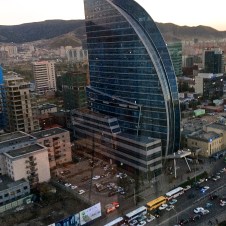 the city still has some of the lowest crime rates in Asia.
The modern skyline is dominated (since 2009) by a curved sail-like building known as the Blue Sky Tower.
It has 25 floors and is over 100 meters high, with three bedroom apartments for sale at one million dollars each!! It also contains Louis Vuiton, Ermenegildo Zegna and Loro Piana boutiques as well as a 200-room luxury hotel. Ulaan Bataar is fully up to date! English is in use everyw here. A popular restaurant, DGH, is subtitled “Dreams Get Happiness” while another sign reads “DESTROY, Hair and Beauty Salon”?! The largest commercial enterprise is the STATE DEPARTMENT STORE, “All Needs are Fulfilled,100% cash back guarantee”. It is full of Western and UK brands that, according to our British fellow-travellers, are offered at 2/3 the price of Marks and Spencer.
It is a long cry from the days when all modern ideas came from Russia, even when a Mongolian astronaut was sent into Space on Soyuz 39 (in 1981).Vodka also came from there and quickly became popular. It is now a major industry, together with the production of leather goods and, of course, cashmere.
Mongolia is also a vibrant democracy. Near the National Museum, a large but simple black marble monument proclaims in Cyrillic, Mongolian and English) “NO TO DEATH PENALTY”.
 While two of our intrepid travellers, Bob and Geraldine, head out of the city to see the enormous (40 meters/about 130 ft tall) Genghis Khan statue by the Tuul river, the rest of us leave for the dramatic rocky Terelj National Park. The tour is led by our local guide Buyana, whose name, we find out, means “heavenly light”. It is a chance to catch a glimpse of wild Mongolia.
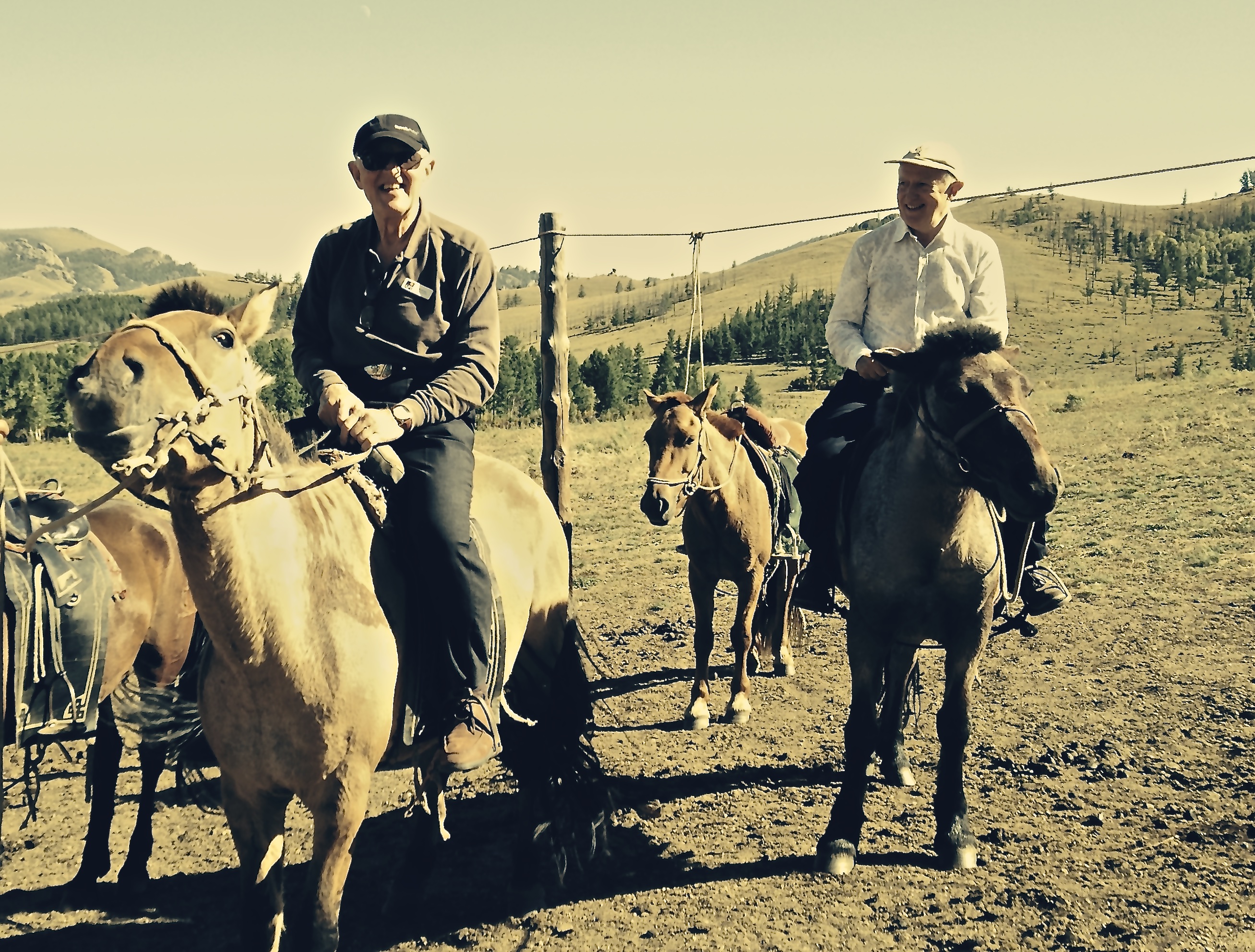
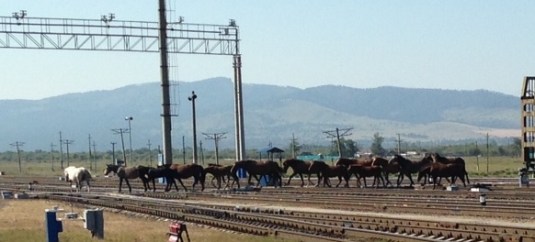
An interesting traditional lunch is included (though not the grilled sheep’s head I hear is popular with the herders for breakfast). It is served at a spotlessly kept GER vacation motel. We also visit and examine a Ger tent where we are told that the two supporting posts represent a man and his wife (the word Ger itself means”home’), while a loose cord is always left hanging for prosperity. Doors must always be south-facing and the inner felt layers are increased from a single one in summer to 2-3 in winter. Fermented mares’ milk is offered to those seeking different flavours and tastes.The host family tell us how Mongolian boys ride a horse as soon as they can walk. We too explore the surroundings with a ride on those famoussturdy Mongolian horses, in a fabulous rocky setting, including a prominent rock resembling a huge turtle. On the way back to Ulaan Bataar we stop to watch Yak at pasture.
The evening dinner is served on the 17th floor restaurant of the Central Tower building. Dishes are Mongolian-modern, the view is panoramic and the wi-fi is not connected for security reasons, as President Putin is coming for dinner next day, on his visit to discuss the oil situation.We are entertained by an amazingly flexible contortionist, then a traditional band demonstrating the unique, haunting throat singing. It is explained that male herders developed these strangely harmonic sounds in a landscape where echoes carry a great distance. It completes what has been an unforgettable day.
So back to the Golden Eagle and a goodnight’s sleep in time to reach Sukhe Bator for the Mongolian passport checkat 6.45 am.

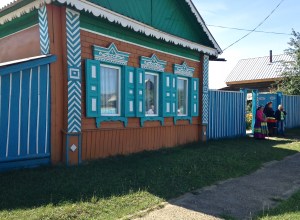 to Russian tradition and a fascinating visit to an Old Believer community, exiled to Siberia centuries ago for refusing to accept reforms aligning the liturgy with that of the Greek Church. During the visit we have lunch, enjoy village songs and jokes, admire the colorful painted houses and their gardens. Soulful Russian poet Yesenin, once lover and husband of Isadora Duncan, came from an Old Believer peasant family. We hear about even more traditional Old Believer communities such as those in Estonia that still follow ancient prohibitions such as the one where men who die without a beard have to be buried in an unmarked grave or another about women who, unable to enter a church bareheaded, must have their scarves pinned under their chin for tying a knot is symbolic of the suicide of Judas by hanging. Otherwise the traditional icons are similar, the “onion domes” of churches still represent the flame of a candle, while the lower bar on the crucifix, at an angle to the cross, represents pointers signifying up to heaven, down to hell, a reminder of the choices made by the two thieves crucified on either side of Christ on Golgotha. Another window on the Russian soul.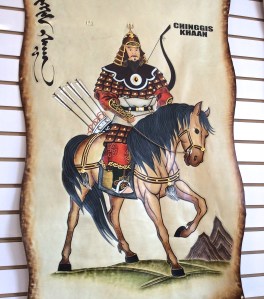
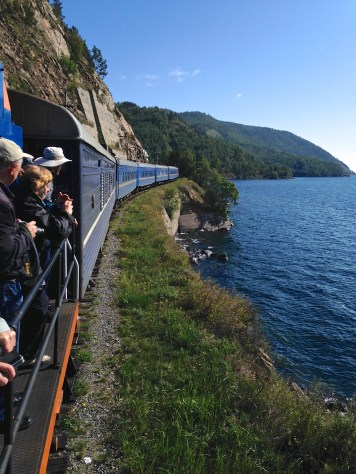
 s ! Locals point out Baikal is the ideal crime site, as there is absolutely no evidence left.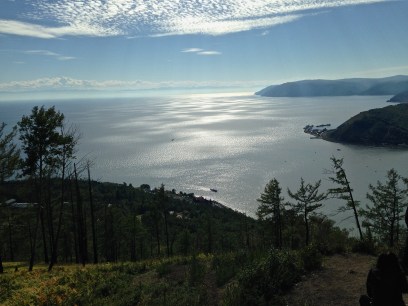
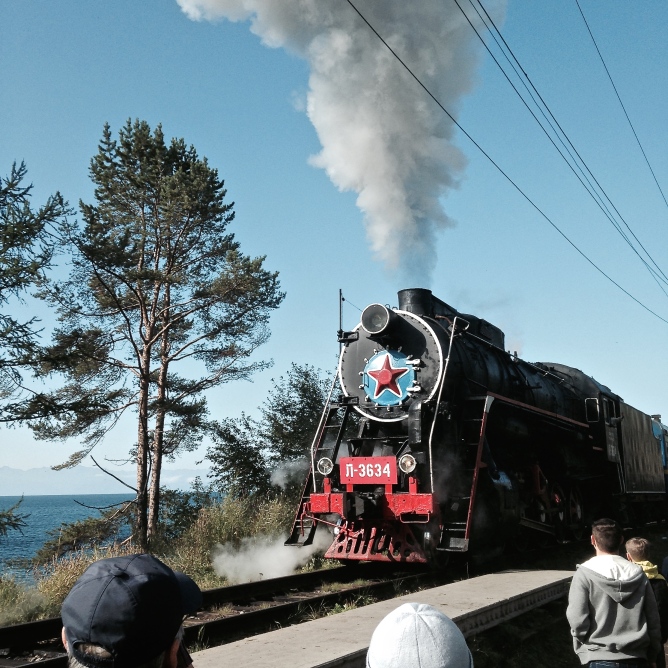
 That evening there were cocktails and a special Caviar Dinner. Piano music in the lounge bar brought a discussion on how Moscow composer Boris Tchaikovsky (no relation to Peter Ilyich) was moved to write his symphonic poem on “The Wind of Siberia” (1984), considered a “pictorial masterpiece” by critics. Irkutsk novelist Valentin Rasputin was also mentioned as a controversial environmentalist (maybe stimulated by his own home village, Atalanka, being flooded as part of a major dam project ). He is seen as trying to protect and preserve northeastern Siberia from what Moscow authorities consider as ripe for exploitation or development. We note the stop at Polovina to come. It means “half-way” and is located as a marker station 4644 kms. from Moscow. There are towns with warning names such as Zima (meaning “winter”) before reaching much visited Irkutsk and Baikal, the world’s deepest freshwater lake.
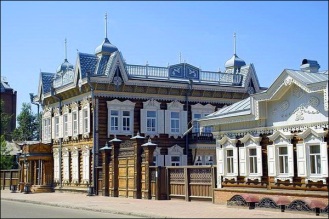 , inconvenient critics such as Romantic writers Lermontov (“A Hero of our Time”) and Pushkin had been sent to the Caucasus to cool off, but this was a more serious matter. The Decembrists, as they became known, came from the Russian elite. Their main leaders were hanged, but large numbers of exiles from aristocratic families were dispersed over Eastern Siberia. They gradually made Irkutsk their principal centre, at the same time transforming cultural awareness in the whole region. A particularly poignant aspect of their exile was the heroic determination of their wives and fiancées who abandoned great wealth, comfort and even their children, to support their rebellious, liberal spouses and create an island of culture in the wilderness ,an aspect which still influences the city today. It is this which is brought out in our Golden Eagle excursions when we see the paintings, portraits and landscapes at the Irkutsk Art Gallery, before visiting some of the carefully preserved wooden houses, long gone in most other cities.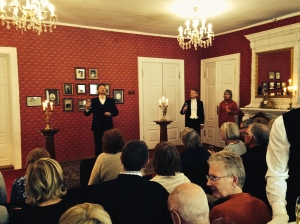
 triumphant rendering of Tchaikovsky’s Violin Concerto (it is absolutely worth seeing, at least


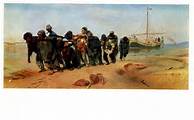


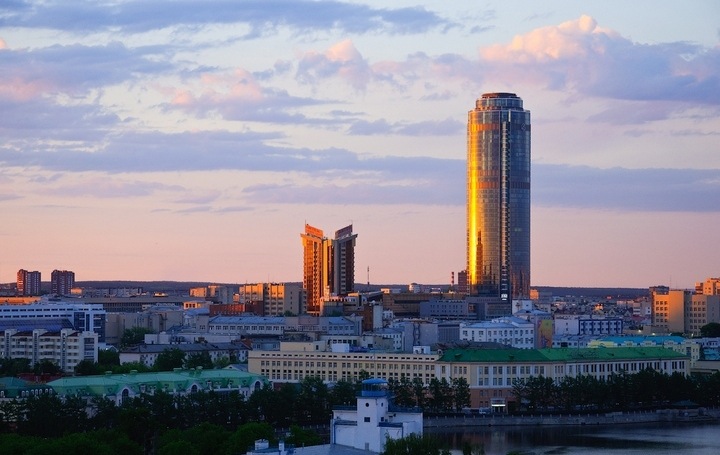

 There is further animated discussion on the train after another documentary film “Joseph Stalin; Red Terror” is shown. We recollect how our Moscow guides had illustrated Stalin’s despotic power with a story, maybe apocryphal, but credible to most, explaining the map of the Moscow metro lines. They mostly run north to south but in the middle is an absolute circle. Stalin insisted on approving all plans personally. When by chance he placed his coffee cup in the middle of the proposed map, it left a perfect circle. No one dared to even point this out, so there it remained and the circular metro line was built. During our debate, someone remembered that a recent Moscow television poll to determine public perception of Great Russians placed Stalin at number three, Tolstoy at number forty!
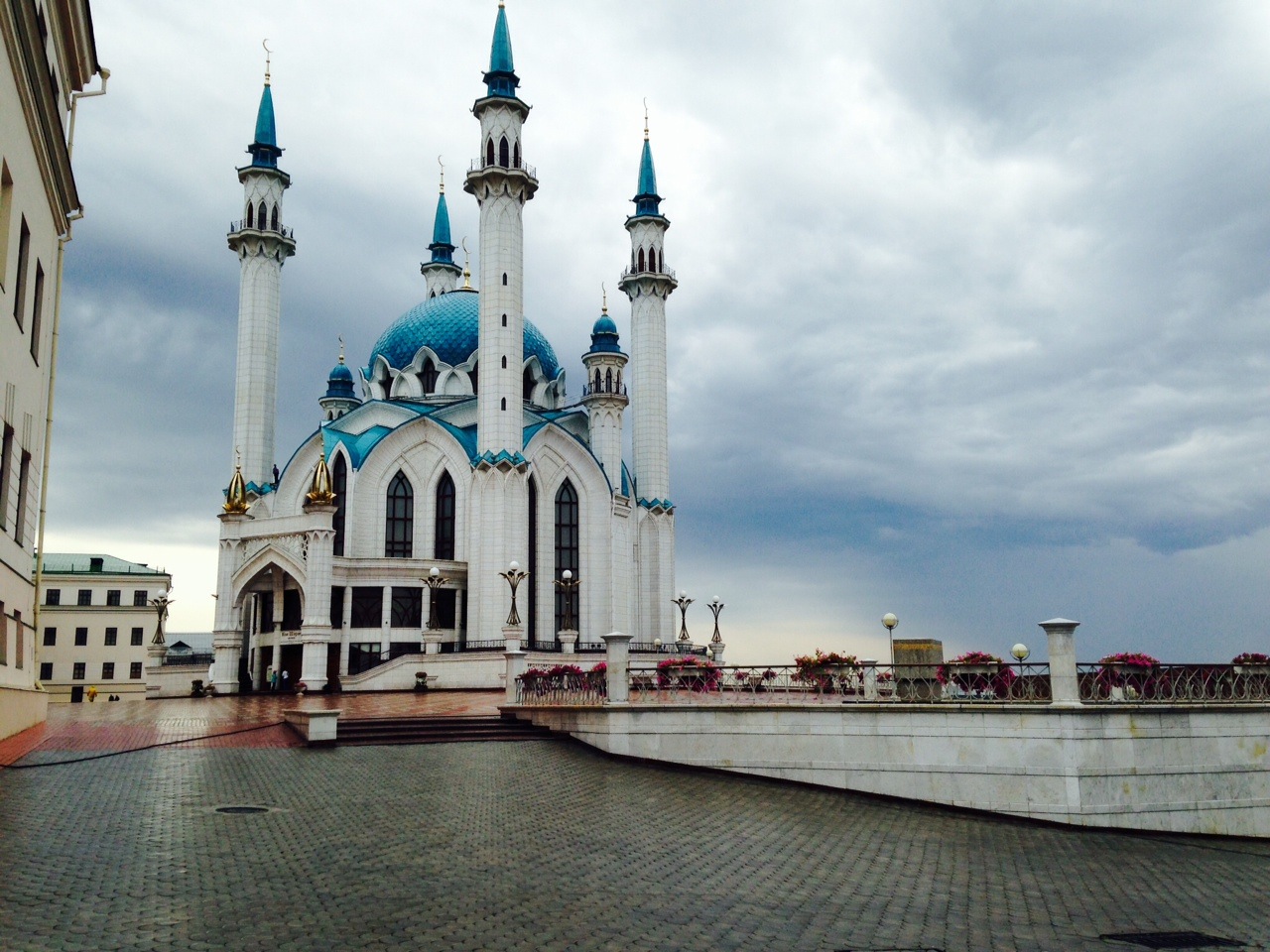


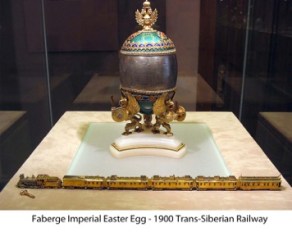 renowned Fabergé display. This includes a tiny Trans-Siberian train of five carriages, which used to be rolled up inside an egg. It can stand freely, while the little mechanical engine can pull the carriages two whole inches.
 lved with the different regions every day and will hardly have time to access the comprehensive and relevant DVD library on board.
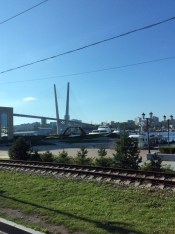 This is the last stop on the world’s longest railway line. Our bags were transported to the luxurious modern Hyundai Hotel from where the views of hills and streets are an echo of San Francisco. A last evening event is at a panoramic restaurant, to exchange opinions and ideas with our travel companions. We are warned about the traffic, as a mass import of right-hand-steering Japanese cars adds to the already normal chaos of right side road driving.

 Lonely Giraffe